About Rigel Institute of Maritime Studies
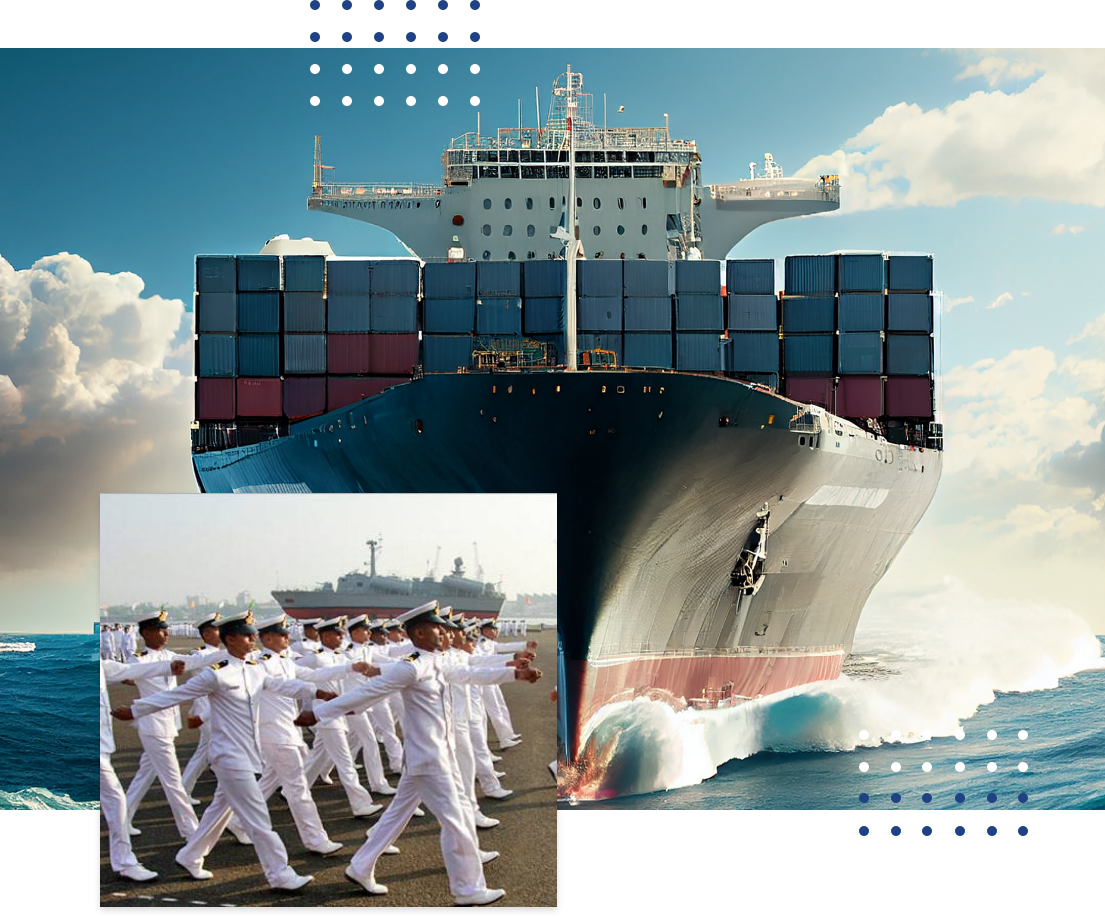
Rigel Institute of Maritime Studies, established in March 2020, enhances the skills of seafarers through specialized marine training. It aims to meet international standards and regulations for competent seafarers, offering state-of-the-art facilities and fostering a spirit of mutual learning in the rapidly evolving shipping industry. The institute contributes to the efficient transport sector, crucial for a country like India with significant maritime access.



Courses
The Services we offer
.jpg)
Designated Person Ashore (DPA)
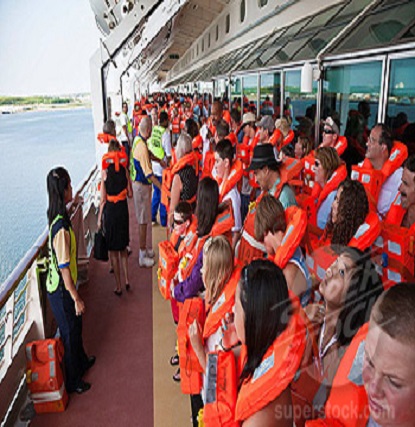
This program, developed in accordance with the ISM Code, SOLAS Chapter IX, and IMO Resolution A.1118(30), enhances the professional skills required of a DPA. It provides practical knowledge in applying ISM Code requirements, managing safety systems, conducting risk assessments, strengthening emergency preparedness, and ensuring operational compliance. Participants will gain the competence to support ship and shore teams effectively, improve safety culture, and maintain continuous adherence to international maritime standards.
This program, developed in accordance with the ISM Code, SOLAS Chapter IX, and IMO
Resolution A.1118(30), enhances the professional skills required of a DPA. It provides practical
knowledge in applying ISM Code requirements, managing safety systems, conducting risk
assessments, strengthening emergency preparedness, and ensuring operational compliance.
Participants will gain the competence to support ship and shore teams effectively, improve
safety culture, and maintain continuous adherence to international maritime standards.
RIGGERS/SLINGER/BANKSMAN COURSE
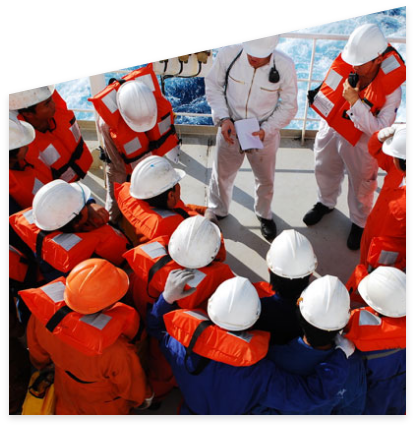
This course is as per requirements under MLC 2006 regulation 3.2 – food and catering – training course, food storage, stock control, and environmental protection and catering health and safety.
This course is as per requirements under MLC 2006 regulation 3.2 – food and catering – training course, food storage, stock control, and environmental protection and catering health and safety.
MENTAL HEALTH AWARENESS TRAINING
This course aims at imparting basic but essential knowledge that every individual needs to know about mental health and illness. Delegate is also made aware of knowledge and awareness that can be taken to clear our community of stigma and encourage empathetic attitudes and behavior.
This course aims at imparting basic but essential knowledge that every individual needs to know about mental health and illness. Delegate is also made aware of knowledge and awareness that can be taken to clear our community of stigma and encourage empathetic attitudes and behavior.
Alumini
Students Testimonial


Manoj Kumar
I have found Rigel Institute course on google when i am searching my course Bridge and Engine room resource management course at that time Rigel Institute course website helps me to find the course and institute for the same.
Maniraj Shenava
I am searching course crowd and crisis management and my search ended on Rigel Institute course and the support which i got from them is tremendous.
Mohammad Raza
Rigel Institute help me to do my course online from Dubai they have very good support and team and courses available to do any time and any where. Thanks team Rigel Institute course.
Amit Patil
Rigel Institute course provides variety of courses and you can book your seat within few minutes with proper details they have good team and reputed institute tie up which will fulfil the requirements of seafarers. thanks for the support of team Rigel Institute course.
Rabeindra Yathushan
I have found Rigel Institute course on google when i am searching my course Bridge and Engine room resource management course at that time Rigel Institute course website helps me to find the course and institute for the same.
-
25+
Total Staff
-
10+
Total Courses
-
5+
Total Classrooms
-
2+
Total Offices
Join us
Error
Error
Error